Slide 1
Slide 2

Turning Climate Knowledge into Action.

SustainEra bridges research, policy, finance and communities to deliver practical climate solutions across adaptation, resilience, loss and damage, sustainable finance and nature-positive development.

Who We Are

Dedicated to Climate Action & Sustainable Development

SUSTAINERA is a global non-governmental organization committed to driving meaningful change in climate action, environmental sustainability, and community development. Founded on the belief that a sustainable future is possible, we work alongside communities, governments, and partners worldwide.

Our approach combines rigorous research, innovative solutions, and grassroots engagement to create lasting impact. We believe in transparency, accountability, and the power of collective action.

Global Impact

Working across borders to address climate challenges with localized, community-driven solutions.

Community First

Empowering communities to lead their own sustainable development and build resilience from within.

Innovation

Pioneering research and cutting-edge solutions to tackle the most pressing environmental challenges.

Our Impact

Creating Measurable Change

Our work spans continents and communities, delivering tangible results for people and the planet.

0+

Projects Completed

0+

Beneficiaries Reached

0+

Partnership Organisations

0+

Districts Reached

Insights & News

Latest Updates

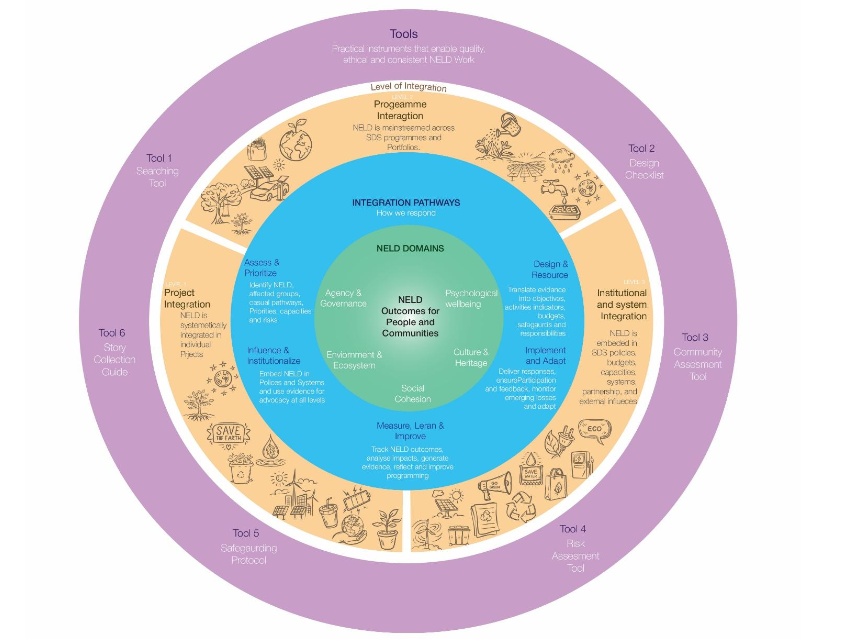
Integrated Non-Economic Loss and Damage (NELD) Framework
Publication2026-12-07

Integrated Non-Economic Loss and Damage (NELD) Framework

The Integrated Non-Economic Loss and Damage (NELD) Framework is designed to make the often-invisible human impacts of climate change, such as loss of identity, dignity, culture, belonging, psychological wellbeing, social cohesion and agency, visible and actionable within development practice. Rather than treating NELD as a standalone issue, the framework provides a practical pathway for embedding it across programme design, implementation, monitoring, institutional systems and advocacy. Through its NELD domains, integration pathways, operational tools and safeguards, it supports a shift from recognizing non-economic losses to systematically responding to them in ethical, inclusive and people-centred ways.
Joler Manus - Documentary
Publication2026-09-20

Joler Manus - Documentary

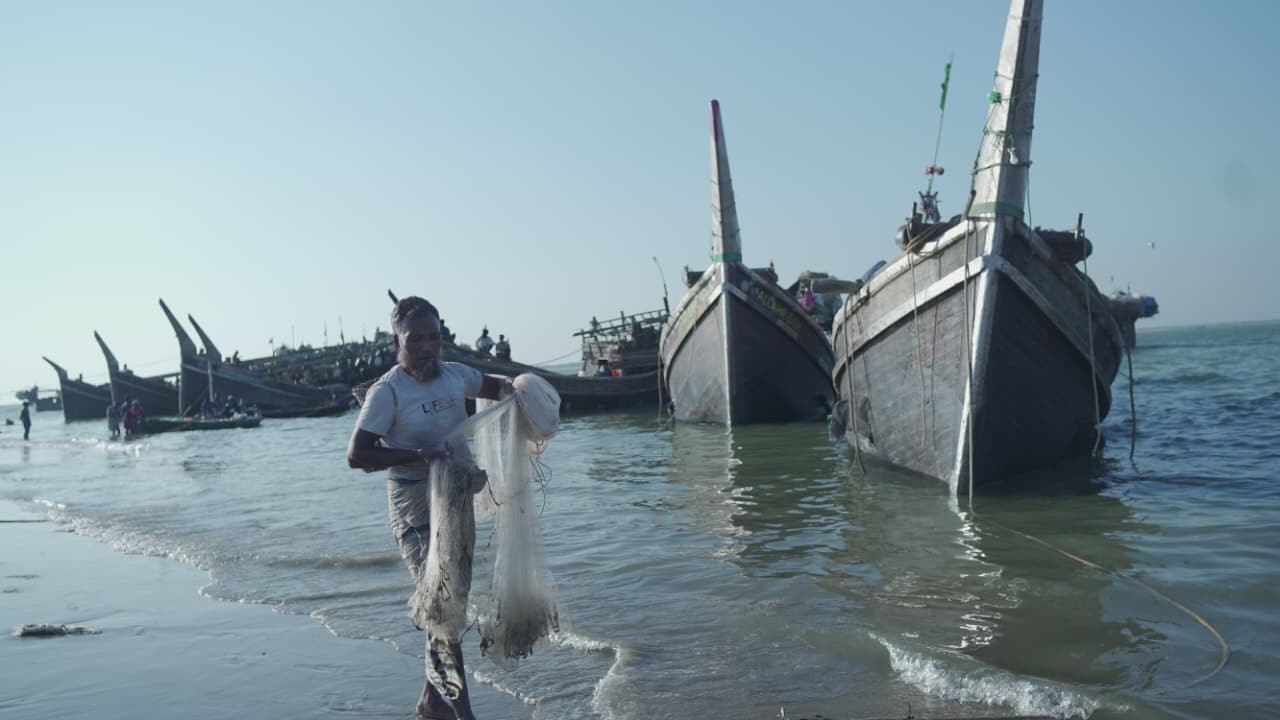
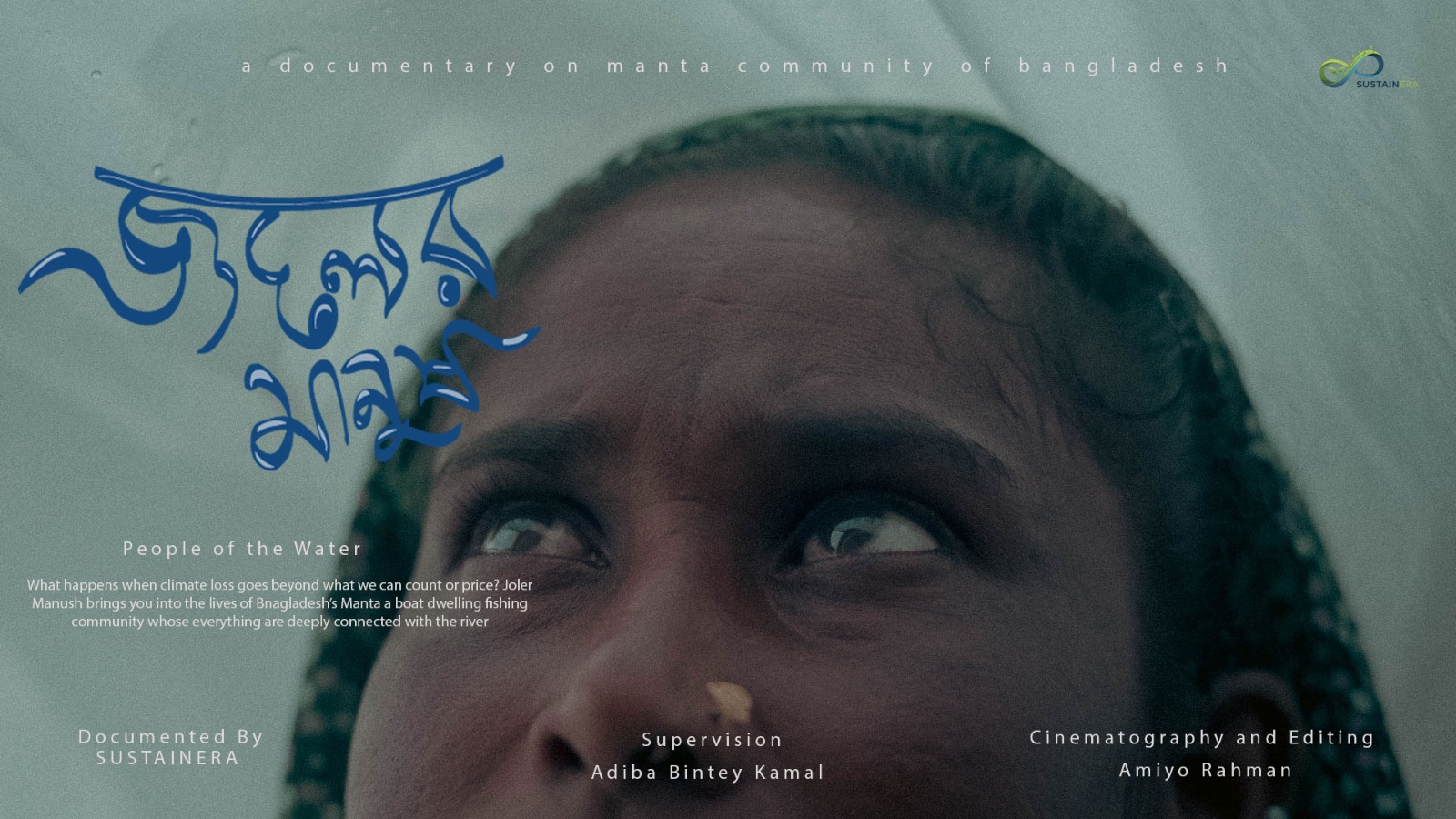
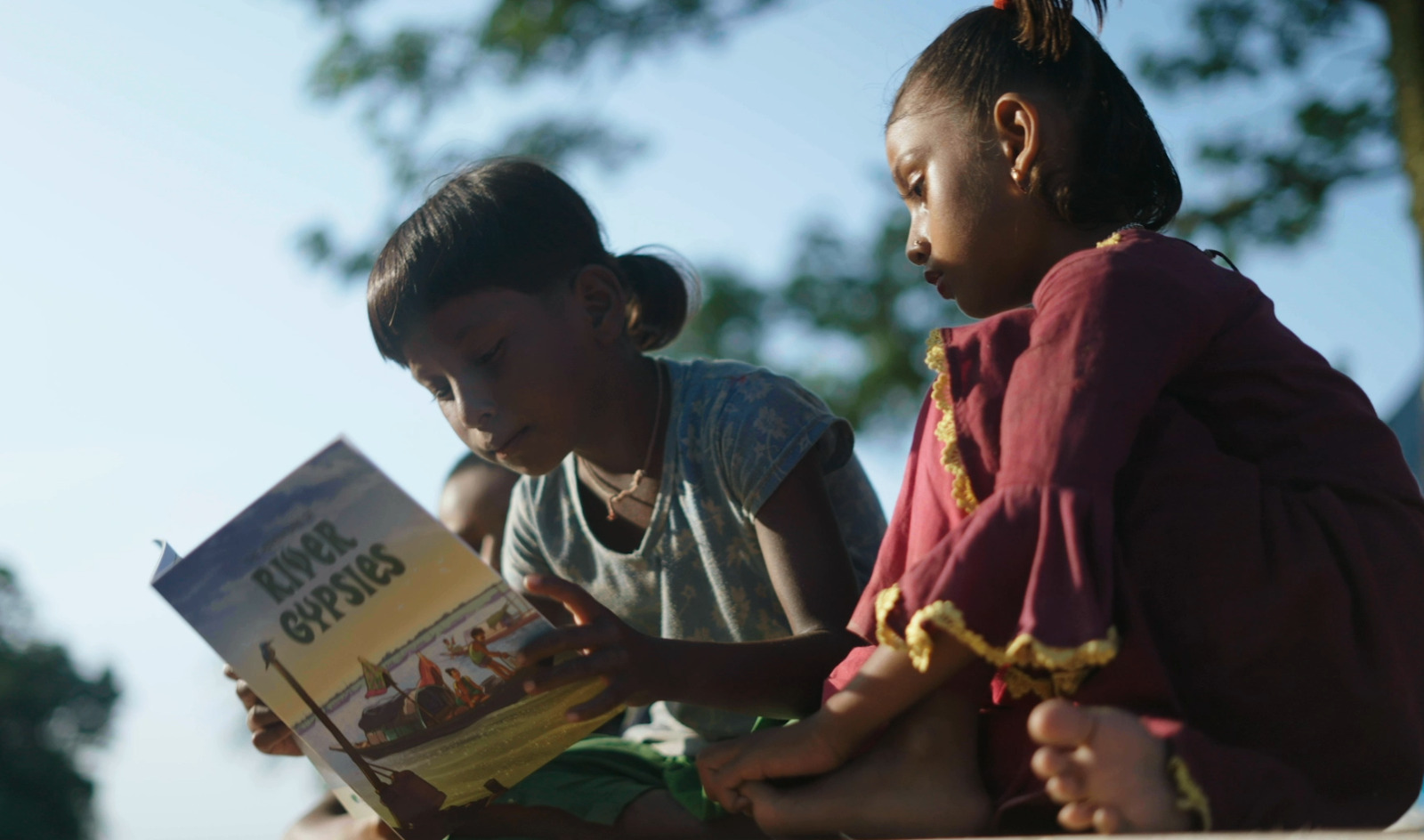
Joler Manush (People of the Water) is a short documentary that brings viewers into the lives of Bangladesh’s Manta, a traditionally boat-dwelling fishing community whose home, livelihood, knowledge, and identity are deeply connected to the river. Told through community voices, the film explores the realities of life on water; from declining fishing opportunities and environmental uncertainty to gendered risks, disrupted education, social exclusion, and struggles for dignity and recognition. At its heart, Joler Manush reveals the often-invisible dimensions of climate-related loss: what happens when changes around us threaten not only livelihoods, but also identity, belonging, intergenerational knowledge, wellbeing, and ways of life that cannot easily be measured or replaced.

Banking on biodiversity: Financing the ecosystems that sustain us
Blog2026-07-02

Banking on biodiversity: Financing the ecosystems that sustain us

Nature is more than an environmental asset, it is the foundation of our economies, livelihoods, and climate resilience. Yet, global financial systems continue to invest far more in degrading ecosystems than protecting them. In this SustainEra blog, Chowdhury Abrar Zahin and Juel Mahmud explore the growing urgency of nature finance, the challenges facing biodiversity investment, and how Bangladesh can unlock opportunities to finance ecosystem restoration and community-led resilience. Protecting nature is not simply a conservation priority. It is an investment in our collective future.

Stitching justice into fabric: Reimagining Just Transition in Bangladesh’s RMG sector
Blog2026-05-01

Stitching justice into fabric: Reimagining Just Transition in Bangladesh’s RMG sector

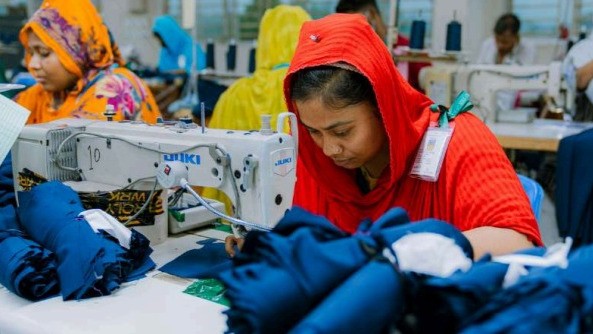
Can a factory truly be green if its workers are left behind? As Bangladesh’s Ready-Made Garment (RMG) sector navigates climate change, decarbonization, and industrial transformation, the conversation must move beyond green factories to just workplaces and equitable futures. In this SustainEra blog, Nusrat Naushin and Afsara Binte Mirza explore why a just transition must place workers’ rights, gender equality, climate resilience, and women’s leadership at the heart of industrial transformation. Because a truly sustainable garment industry is not just about reducing emissions—it is about ensuring that the people who sustain it can thrive. 🌱 Let's not just green the garments. Let's make the transition just, thread by thread.

Baseline Study on "Non-Economic Loss and Damage (NELD), Gender-Based Violence (GBV), Sexual and Reproductive Health and Rights (SRHR), and Social Cohesion among Dalit and Marginalised Communities"
Publication2026-04-30

Baseline Study on "Non-Economic Loss and Damage (NELD), Gender-Based Violence (GBV), Sexual and Reproductive Health and Rights (SRHR), and Social Cohesion among Dalit and Marginalised Communities"

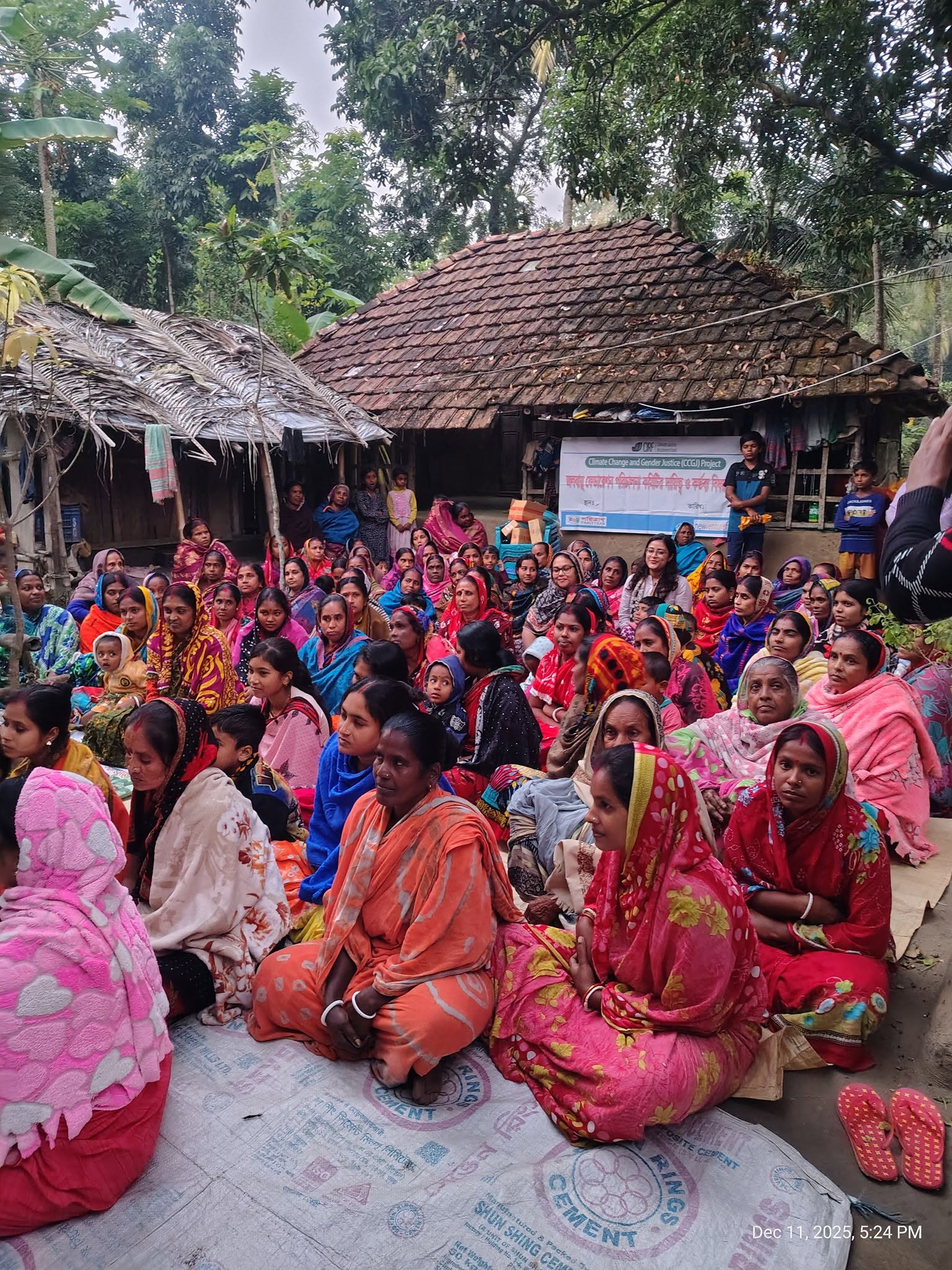
This baseline study established benchmark evidence on the intersections of climate change, gender justice, and resilience among Dalit and marginalised communities in Paikgacha Upazila, Khulna, focusing on Gender-Based Violence (GBV), Sexual and Reproductive Health (SRH), social cohesion, resilience capacity, and Non-Economic Loss and Damage (NELD). Using a mixed-method approach, the study highlights the disproportionate climate impacts on vulnerable communities, identifies critical gaps in NELD recognition and support, and provides an evidence base to inform inclusive, gender-responsive climate adaptation and policy interventions.

Heatwave: The new normal of a global narrative?
Blog2026-04-23

Heatwave: The new normal of a global narrative?

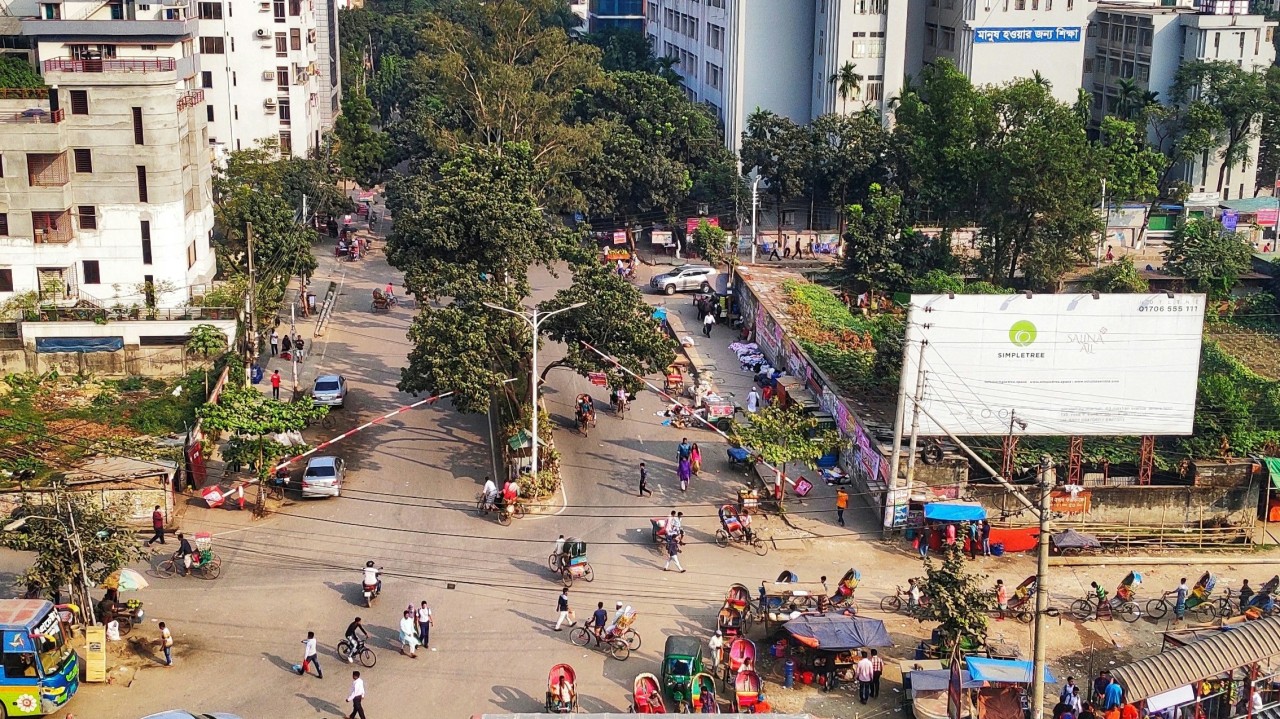
What happens when extreme heat is no longer an occasional crisis, but an everyday reality? As heatwaves intensify across Bangladesh, rising temperatures are exposing deeper vulnerabilities in our cities, energy systems, and communities. From Dhaka’s urban heat islands to the struggles of low-income households, extreme heat is becoming more than a climate concern—it is a question of inequality, resilience, and survival. In this SustainEra blog, Adiba Bintey Kamal and Rukhsar Sultana explore how heatwaves are reshaping our understanding of the climate crisis and why adaptation must go beyond simply learning to live with rising temperatures. The temperature is rising. The question is: are we ready?

Patients, Climate, and a Struggling Health System in Mehendiganj
Blog2026-04-08

Patients, Climate, and a Struggling Health System in Mehendiganj

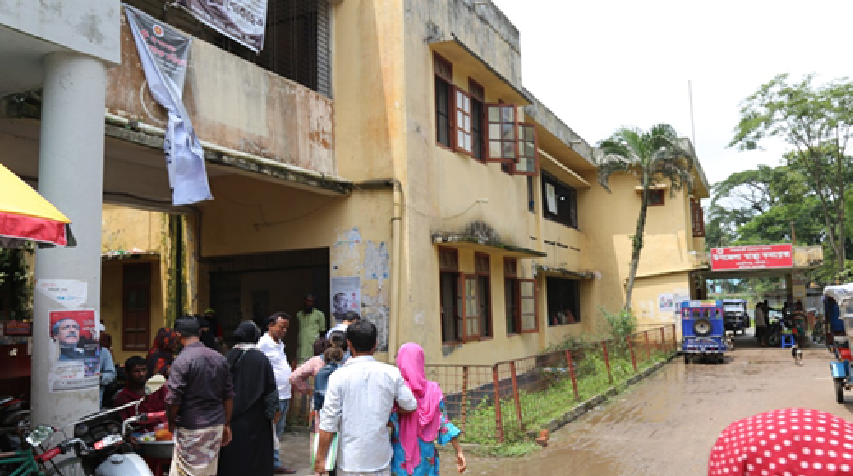
What happens when climate change meets an already fragile healthcare system? In Bangladesh’s riverine communities, rising temperatures, salinity intrusion, and flooding are not just environmental challenges—they are reshaping health risks and making access to essential healthcare increasingly difficult. In this SustainEra blog, Nusrat Naushin takes us inside the Mehendiganj Upazila Health Complex, exploring the lived realities of patients, the growing pressures on frontline health services, and the urgent need for climate-resilient healthcare systems. As Bangladesh advances its Health National Adaptation Plan (2026–2031), the real test lies in ensuring that policies translate into accessible, responsive healthcare for communities at the last mile.

When waste reaches the nets: Livelihoods and coastal lives are affected
Blog2026-03-30

When waste reaches the nets: Livelihoods and coastal lives are affected

What happens when fishing nets bring back more plastic than fish? For coastal communities in Bangladesh, marine pollution and climate change are not just environmental threats, they are disrupting livelihoods, eroding cultural identities, and threatening generations of traditional knowledge. In this SustainEra blog, we explore the lived experience of Kamal, a fisherman from Cox’s Bazar, whose story reveals the interconnected impacts of plastic pollution, climate-induced displacement, and non-economic loss and damage. His journey highlights why coastal resilience must go beyond disaster preparedness to embrace zero-waste solutions, sustainable livelihoods, and the protection of cultural heritage and dignity. ♻️ Because protecting our oceans is not just about saving ecosystems. It is about safeguarding the lives, identities, and futures of those who depend on them.

Drowning in silence: When acres matter more than life
Blog2026-03-08

Drowning in silence: When acres matter more than life

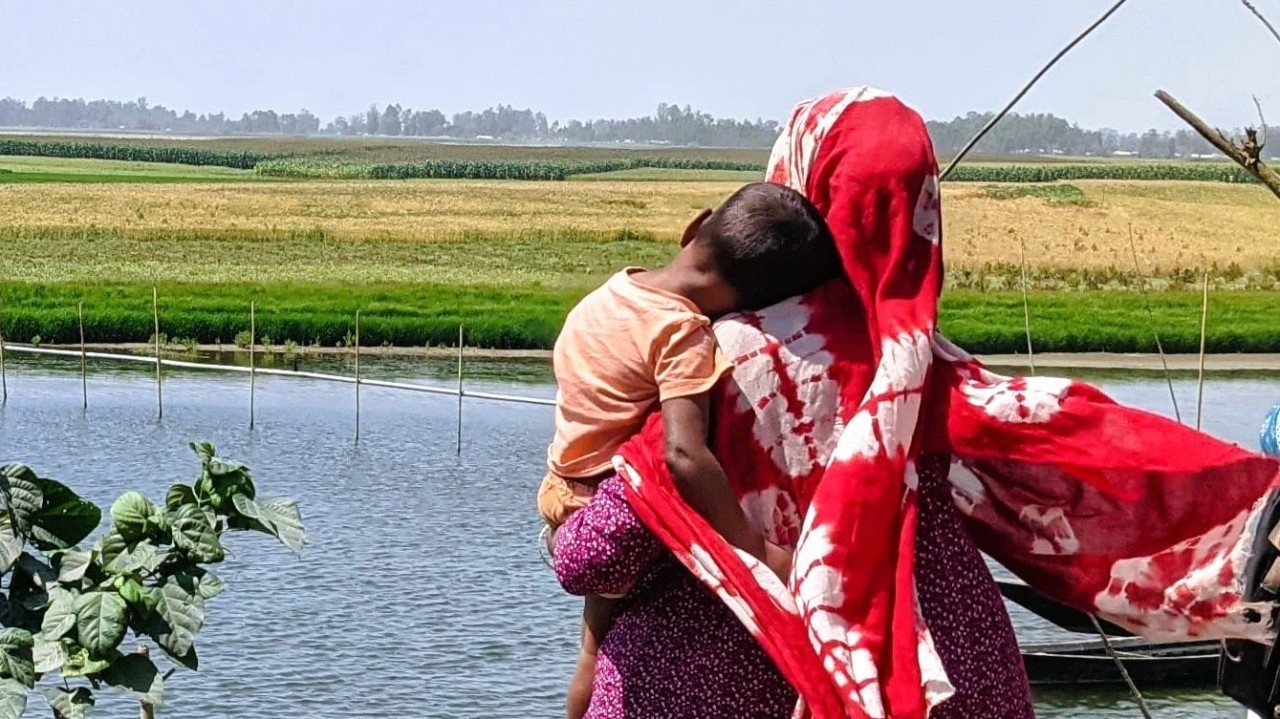
Along the eroding riverbanks of Mehendiganj, Bangladesh, women face a climate crisis that goes far beyond disappearing land and damaged infrastructure. Behind every statistic are untold stories of maternal health risks, lost children, disrupted education, displacement, and the erosion of dignity and hope. In this SustainEra blog, Rafia Anjum Rimi and Adiba Bintey Kamal bring forward the powerful stories of Jahanara Begum and Parul Khatun, revealing how climate change and systemic inequalities intersect to deepen women's vulnerabilities. Their experiences underscore the urgency of recognizing non-economic loss and damage, strengthening gender-responsive climate policies, and ensuring access to essential healthcare and emergency transportation in remote communities. 💚 Because climate justice is not only about protecting land and livelihoods. It is about protecting lives, dignity, and the losses that numbers cannot capture.

When Land Disappears, Can Wetlands be the Front Line of Hope?
Blog2026-02-02

When Land Disappears, Can Wetlands be the Front Line of Hope?

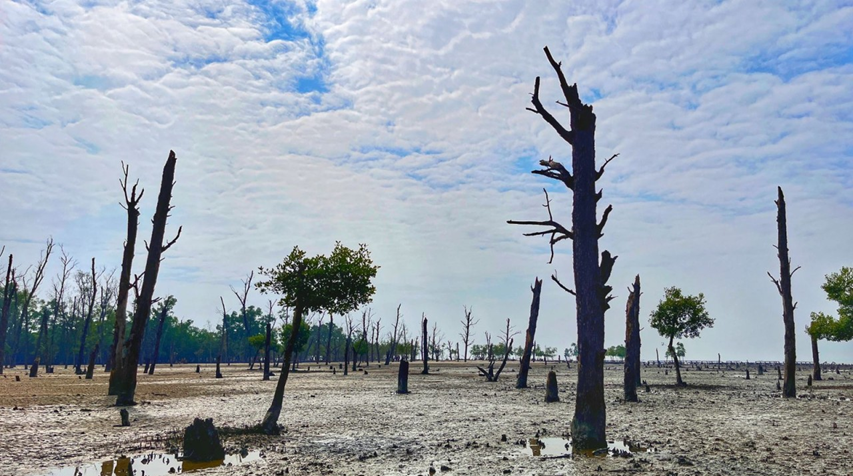
What happens when our strongest natural defences against climate change are disappearing faster than we can protect them? From coastal mangroves to haors, floodplains, and urban wetlands, Bangladesh’s ecosystems are vital for protecting livelihoods, reducing climate risks, and sustaining biodiversity. Yet, despite strong policy commitments, fragmented governance, inadequate financing, and development pressures continue to threaten their survival. In this SustainEra blog, Rukhsar Sultana explores the gap between Bangladesh’s wetland conservation commitments and their implementation, highlighting how locally led adaptation, ecosystem-based planning, and decentralised climate finance can transform wetlands into a cornerstone of climate resilience.

Programs & Projects

Our Work in Action

View All Projects
From Invisible Losses to Visible Stories - Documenting Non Economic Loss & Damage
Documentation
Barisal

From Invisible Losses to Visible Stories - Documenting Non Economic Loss & Damage

This project will document the lived realities of Non-Economic Loss and Damage (NELD) in coastal Bangladesh, focusing on the Manta community, a highly climate-vulnerable, riverine and coastal population experiencing deep but underreported losses. Through a combination of written report and short documentary video storytelling, the project will explore invisible losses such as identity erosion, cultural disintegration, psychosocial stress, loss of sense of place, and disrupted education systems. By centering community voices, especially women, youth, and elders, the project will produce one in-depth written feature and one 5-minute documentary video, aimed at influencing public discourse and policy attention on NELD across Bangladesh and the Bay of Bengal region.

CLIMB - Climate Leadership, Innovation & Mentorship for Bangladesh
Local Youth Mentorship
Bangladesh

CLIMB - Climate Leadership, Innovation & Mentorship for Bangladesh

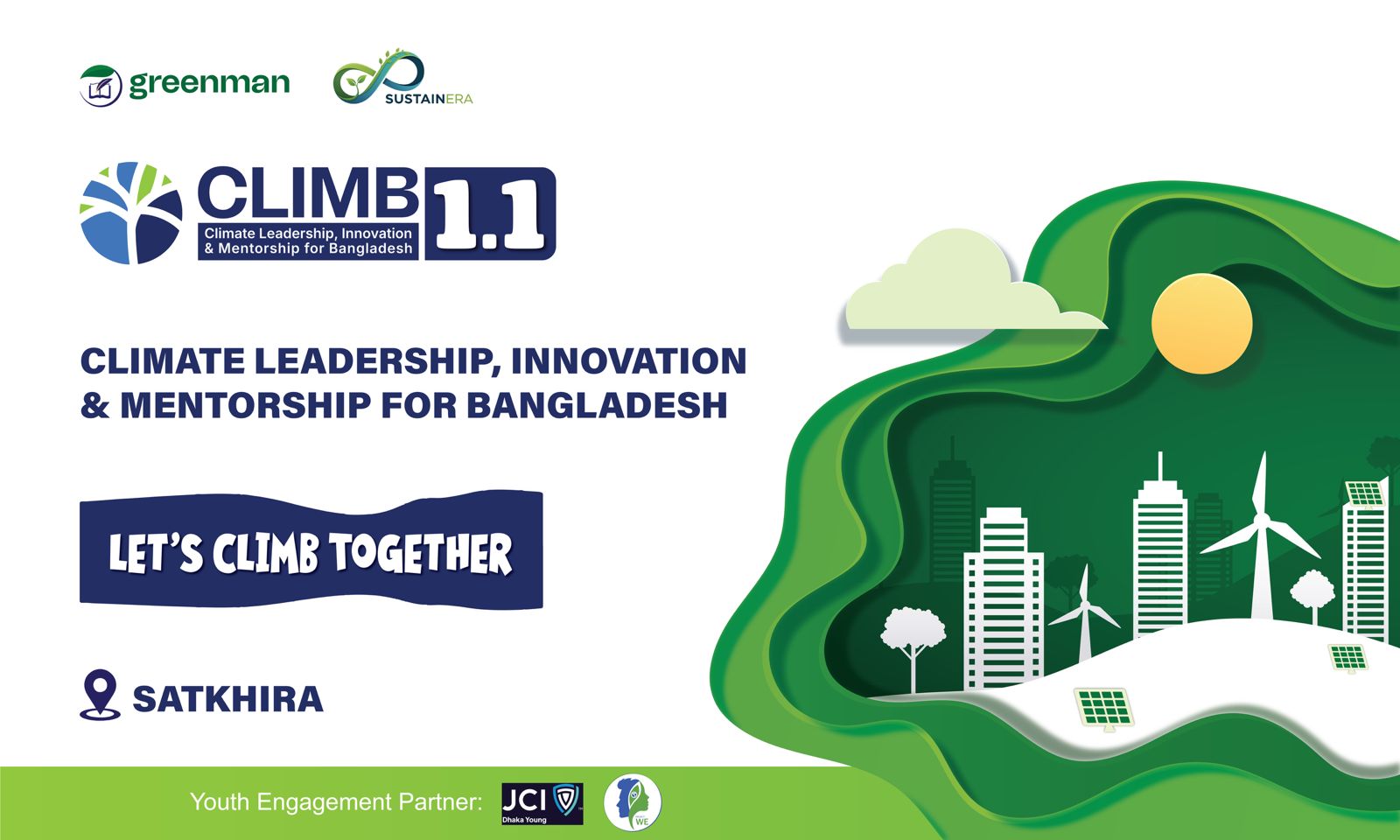
CLIMB turns young people in Bangladesh's most climate-exposed districts from bystanders into leaders who design and deliver local climate solutions. Each six-month cohort combines structured climate and leadership learning, continuous mentorship and a competitive micro-grant that funds youth-led community projects. The programme addresses a clear gap. Rural and coastal youth are willing to act on climate change but rarely have access to structured leadership training, experienced mentors or seed funding. CLIMB closes that gap with a learn-design-implement model that ends in visible action, not just awareness. SustainEra, a climate change and development organization and Greenman Foundation, a youth-led organisation, will pilot CLIMB in Satkhira and then replicate it district by district. Each cohort leaves behind trained leaders, funded community initiatives, documented evidence and a growing alumni network that sustains action after the grant period.

Project Groot
Learning Module Development
Dhaka

Project Groot

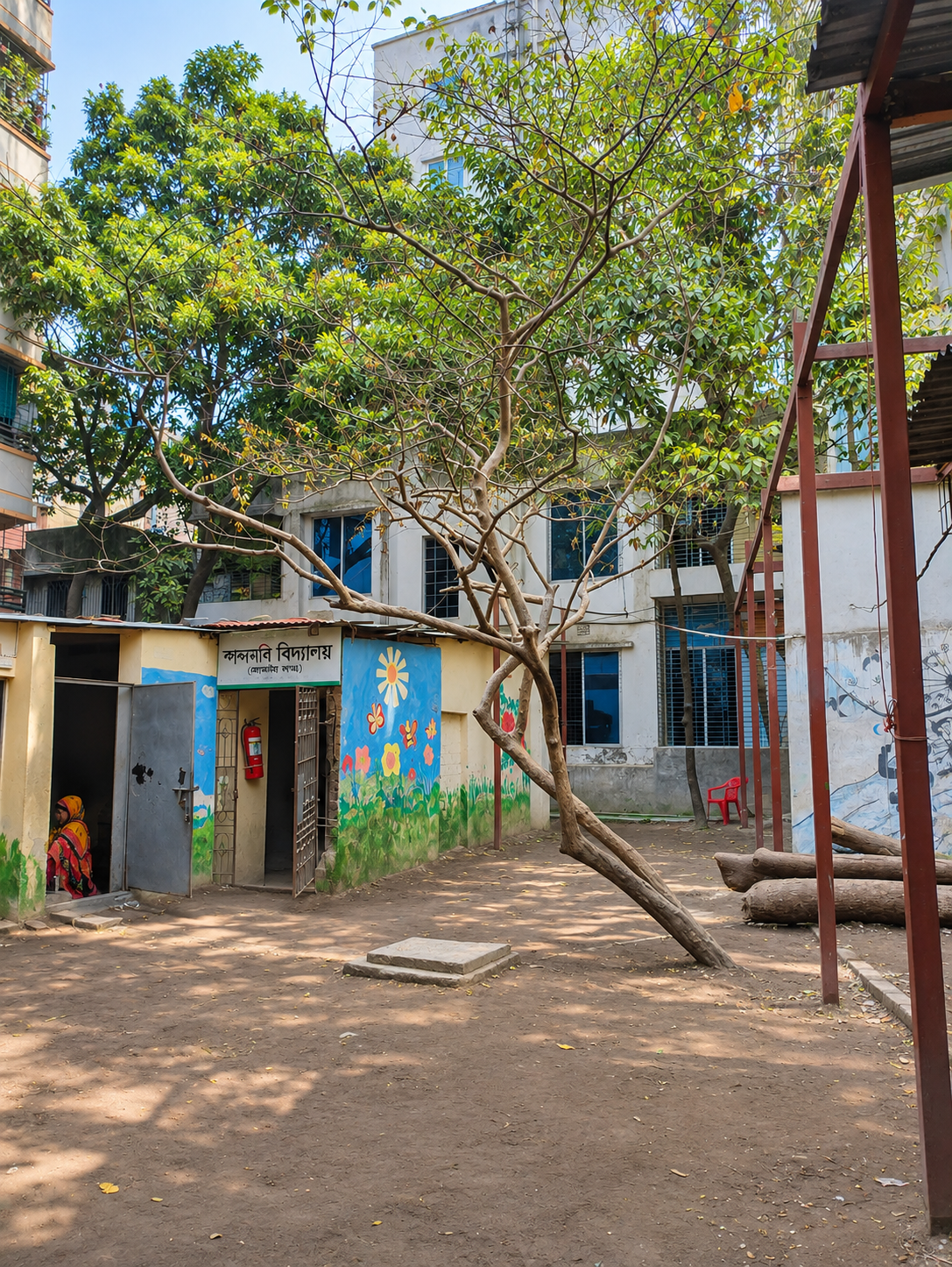
Project GROOT – Growing Roots, Owning Our Tomorrow is a school-based climate and environmental education programme under the 1 Billion Trees Initiative, jointly implemented by SDG360 and SustainEra. The project goes beyond tree distribution by equipping schoolchildren with climate knowledge, practical environmental skills and a sense of responsibility towards nature. Through four interactive learning pillars: (1) Learn, (2) Plant, (3) Track and (4) Lead, students will explore climate change, understand the importance of trees, monitor their growth and become young environmental champions. Project GROOT aims to transform every tree planted into a learning opportunity, nurturing a generation of environmentally conscious and climate-responsible young leaders across Bangladesh.

Partners & Collaborations

Trusted by Global Leaders

SDG360SheRAALal Sabuj SocietyShariatpur Development Society (SDS)ParittranEJNGreenmanYouth Development for Sustainable Bangladesh (YDSB)SDG360SheRAALal Sabuj SocietyShariatpur Development Society (SDS)ParittranEJNGreenmanYouth Development for Sustainable Bangladesh (YDSB)SDG360SheRAALal Sabuj SocietyShariatpur Development Society (SDS)ParittranEJNGreenmanYouth Development for Sustainable Bangladesh (YDSB)

Get Involved

Be Part of the Change

There are many ways to contribute to our mission. Choose how you want to make a difference today.

Join Us

Become a volunteer and contribute your skills to meaningful climate action.

Volunteer

Partner With Us

Collaborate with SUSTAINERA to amplify your organization's sustainability impact.

Partner

Donate

Support our mission with a contribution that directly funds climate action projects.

Donate